Few drinks divide opinion quite like cerasee tea. It is famously, unapologetically bitter — and across the Caribbean it has been trusted for generations as a traditional tonic, a spring cleanse and a household remedy. If you grew up with a grandmother pressing a steaming, bitter cup into your hands, you already know it. If you are new to it, this guide covers what cerasee is, how it is traditionally used, and how to brew a cup that does the job.
What is cerasee?
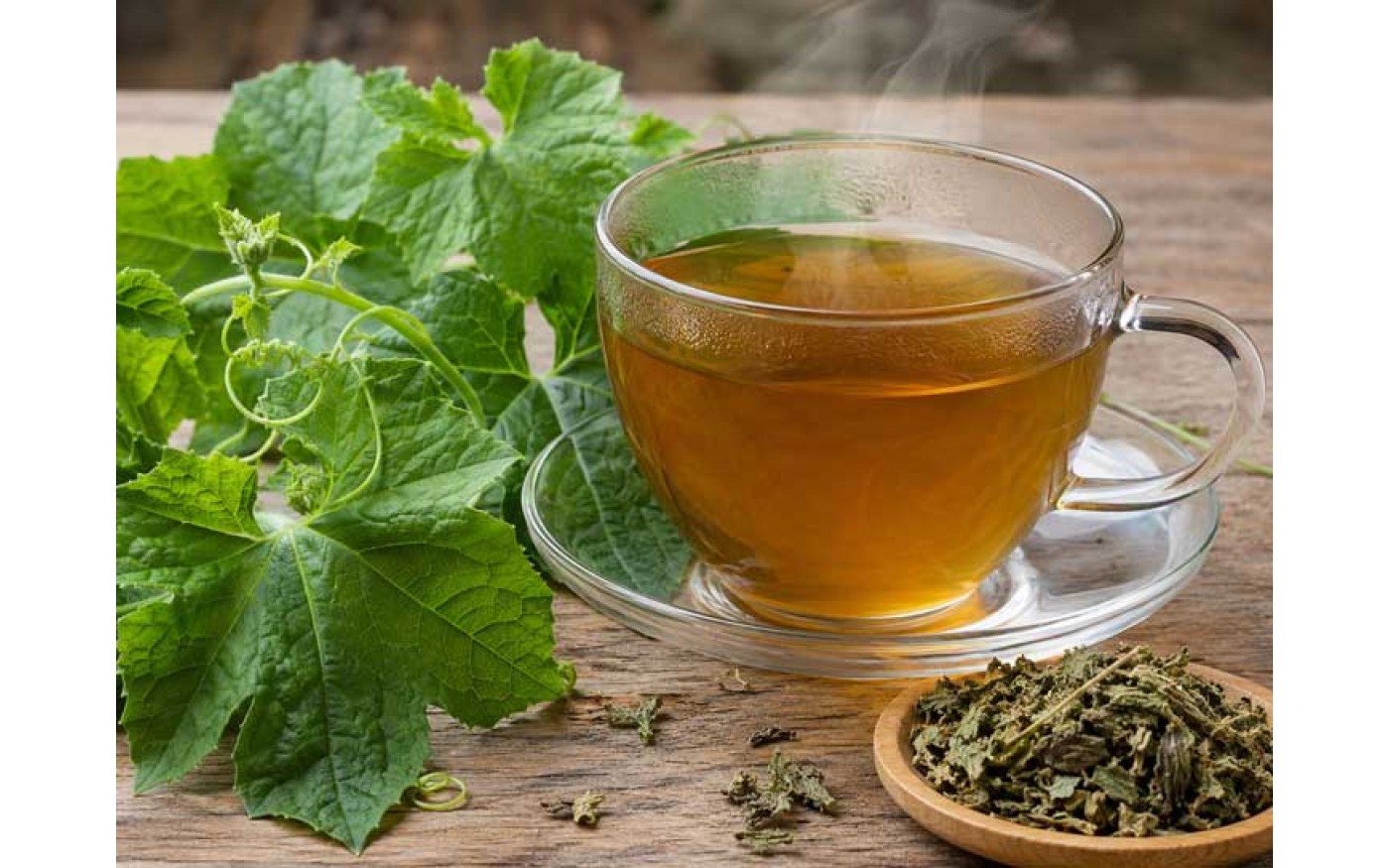
Cerasee (also spelled cerassie or cerasse) is made from the leaves and vine of Momordica charantia, the same plant that gives us bitter melon. The wiry vine grows wild across Jamaica and much of the tropics, and the dried leaves are steeped to make the deep, bitter herbal tea that so many Caribbean households keep in the cupboard. It is naturally caffeine-free, which is part of why it is drunk at any time of day.
Traditional cerasee tea benefits
Cerasee has a long history in Caribbean and folk medicine. These are the uses it has traditionally been valued for — passed down through families rather than prescribed:
- A traditional cleanse or “wash-out.” Cerasee is best known as a tonic taken to flush and refresh the system, often as a short course rather than an everyday drink.
- Digestive comfort. The bitter principles are traditionally associated with supporting digestion and easing a heavy stomach.
- Skin and blood “purifying.” In Caribbean tradition cerasee has long been reached for to support clear skin.
- General wellbeing tonic. Many people simply take a cup when they feel run down, in the way others reach for a herbal infusion.
It is worth being honest here: these are traditional uses, not medical guarantees. Cerasee is a herbal tea enjoyed as part of a wider lifestyle. If you are pregnant, breastfeeding, managing a health condition or taking medication, speak to a doctor or pharmacist before using cerasee regularly, as bitter melon can interact with some treatments.
How to make cerasee tea
Brewing cerasee is simple. The only real decision is how strong — and how bitter — you can take it.
- Add a small handful of dried cerasee, or one tea bag, to a cup or small pot.
- Pour over freshly boiled water (around one cup, 250ml).
- Steep for 5 to 10 minutes. Longer means stronger and more bitter.
- Strain if using loose leaf, then drink warm. A little honey, lime or ginger takes the edge off without losing the benefit.
If you are new to it, start with a shorter steep and a milder brew, then build up. A common traditional approach is a cup a day for a few days as a short cleanse, rather than drinking it indefinitely.
Loose leaf or tea bags?
Both work — it comes down to convenience and strength. Tea bags are quick, measured and mess-free, ideal for an everyday cup. Loose dried cerasee lets you brew it as strong as the old-time recipe demands and tends to work out cheaper by the cup.
At Home From Home Foods we stock authentic cerasee in both forms, including Caribbean Gold Cerassie Tea and Herbal Choice Cerasee 20 Tea Bags, with other favourites such as Dalgety Cerassie and Tops Jamaican Cerasee alongside. You can browse them all on our Caribbean teas and coffee collection.
A note on the taste
Yes, it is bitter — that is the point, and for many it is the reassuring sign that it is working. If the bitterness is too much at first, blend it with a milder herbal tea, add lime and honey, or simply brew it weaker until you find your level. The bitterness softens as you get used to it.
Bring a little home
Cerasee is one of those drinks that carries a real sense of home for Caribbean families across the UK. Whether you are restocking a cupboard staple or trying it for the first time on someone’s recommendation, Home From Home Foods has supplied authentic Afro-Caribbean groceries since 1976. Explore our range of Caribbean teas and have a taste of home delivered to your door.
This article is for general information and reflects traditional use. It is not medical advice. Consult a healthcare professional before using cerasee tea if you are pregnant, breastfeeding, on medication or managing a health condition.